AI Your Way on Sitefinity: Start Where You Are, Grow As You're Ready
I've had roughly the same conversation with a dozen Sitefinity customers this summer. It opens with some version of "leadership wants an AI strategy for the website." Then about ten minutes in, the real question shows up: where do we start, and how do we do it without wrecking the way we govern content?
Not one of them has asked me to compare AI products. What they want is a path. They've got a content team that was already stretched before any of this came up, a few thousand items nobody has audited since the last redesign, and search behavior shifting under them while they wait for a plan.
So here's how I've started laying out the Sitefinity AI conversation.
There are two AI stories on Sitefinity, and you don't have to pick
The first is intelligence built into the CMS itself, working in the editor while content gets created.
The second is Sitefinity showing up inside the AI assistant your team already sits in all day, so site work happens in the same place as everything else they do.
Both run on the same platform, with the same permissions and the same approvals. They're not competing options. But there is an order I'd recommend, and it starts inside the CMS.
Why the in-CMS side is the foundation
AI inside the CMS knows things an outside tool can't know on its own. It sees your content types, taxonomies, and the relationships between them, with no translation layer. It knows who's allowed to do what, and where an item sits in review, approval, and scheduling. And it sees the rendered page the way a visitor and a crawler see it, not just the text in a field.
That context is the difference between a recommendation your editor will act on and generic writing advice.
In 15.4 this shows up as the SEO Agent and the Brand Agent, both working in the flow of editing: the SEO Agent looking at titles, meta descriptions, body content, and alt text, the Brand Agent checking work against your guidelines as it's written. 15.4 also embeds Schema.org JSON-LD into pages automatically, which matters more every month as answer engines pick up traffic that used to land on a blue link. Progress has agents in the CMS aimed at the repeatable content operations that eat editorial time.
None of that requires an integration project. If you're on a current version, some of it is sitting there already.
Why the assistant side matters too
This solves a different problem, and it's worth being clear about the difference.
Claude Cowork and ChatGPT Work are becoming the desk people actually sit at. Email, documents, spreadsheets, notes, all in one conversation. When Sitefinity is reachable from there, site work joins the rest of somebody's job instead of being one more tab they have to remember to open.
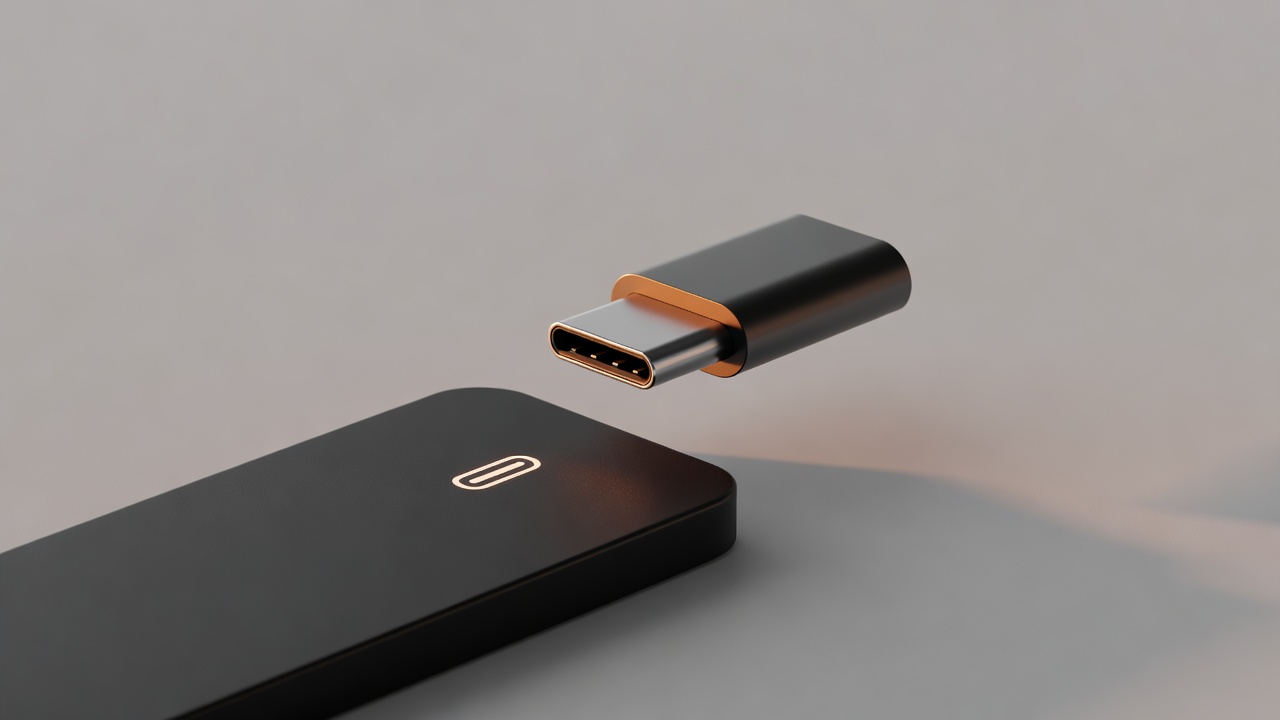
That's what we built. The connector is an MCP, the open standard, running on Sitefinity's own APIs. In Claude the work ships as skills, in ChatGPT as guided tasks, and either way it's the same set of jobs: content audits, bulk updates, guided page creation, publishing workflows. Everything lands in Sitefinity as a draft and moves through your normal approvals. We tune the skills to each customer's content model, because a skill that doesn't know your fields isn't much use.
The part that surprised me most is the cross-system work. A press release lands in an inbox and comes out the other side as a drafted news item, tagged and waiting for review. I wrote more about what that looks like day to day in What AI in Sitefinity Actually Looks Like in Production.
Crawl, walk, run
The reason I like framing it as a journey is that every stage pays for itself, and none of them require a leap of faith.
AI assistance, day one.
Turn on what you already own. Native agents reviewing pages in the editor, generative help for drafting, structured content going out correctly. No new tools, no integration, no procurement cycle.
AI shaped to your operation.
Configure the agents against your actual standards rather than defaults. Get your taxonomy and classification in order so the recommendations mean something. Full-page review becomes part of how content ships, not a thing somebody does when there's time.
AI across your whole workflow.
Extend the same governed platform into Claude or ChatGPT through the connector and skills, for site-wide operations and the work that spans systems.
Each stage compounds the one before it. The native foundation is what makes the assistant side trustworthy, because by the time you get there your content model and your standards are already doing real work.
The same customer, three moments
A marketer polishing a landing page gets the full page reviewed against brand and SEO standards before publish, in the editor, without leaving what she's doing.
A content lead staring at 600 legacy posts asks what needs metadata, what's gone stale, and what's invisible to answer engines, then applies the fix in batches instead of a spreadsheet.
A team working out of their AI workspace audits the site, stages bulk updates, and drafts a news item from an email, all of it landing in Sitefinity's normal review queue.
Same platform underneath all three. The moments stack.
Where the line is today
Two honest caveats, because I'd rather say them than have you find out in month three.
The native agents are strongest inside a single editing session. Site-wide sweeps and anything that crosses into another system is where the assistant side earns its keep. Anybody telling you one side covers the whole job is selling you something.
And all of it is downstream of your content model. If your taxonomies are a mess and half your fields are unused, AI will confidently produce mediocre output based on the mess. Sorting that out is unglamorous, and it's usually the highest-return work on the list.
The website is one system out of a dozen
Worth saying, because the conversation never actually stays on the CMS. Somebody asks about the website, and twenty minutes later we're talking about the CRM, the email platform, and why the analytics numbers don't match anybody's report.
That's why we put together the MarTech AI Evaluation. It's a fixed-scope readiness assessment: we inventory the CMS, CRM, analytics, email, and search systems, sit with the people who actually work in them every day, and map where AI pays off before anyone writes code. You come out with three things: a readiness scorecard rating each system on data quality, API access, and governance fit, a connection map ranking connectors, agents, and built-in platform features by payoff against effort, and a staged roadmap with real dollar and time estimates on it.
Two to three weeks, start to readout, fixed fee. And the roadmap almost always starts with turning on platform AI you already own, which is the least exciting recommendation we make and usually the right one.
Figuring out your stage
Most teams I talk to are further along than they think on Crawl and haven't decided anything about Run, which is fine. That's the point of the sequence.
If you already know where you are and want to see both sides working on a real site rather than a slide, start with AI for Sitefinity. If the honest answer is that you're not sure what you've got or what order to do it in, the MarTech AI Evaluation is the better first step.
Figure out which one you need.
Give us a call at (866) 928-5150 or book time and we'll help you figure out whether the right next step is a real Sitefinity AI walkthrough or the fixed-scope MarTech AI Evaluation.
Talk to us about AI on Sitefinity arrow_forwardEric Spencer is at Springthrough, a digital strategy and technology consulting firm based in Grand Rapids, Michigan.